

You Don't Have to Cook Right Now — And That's Okay
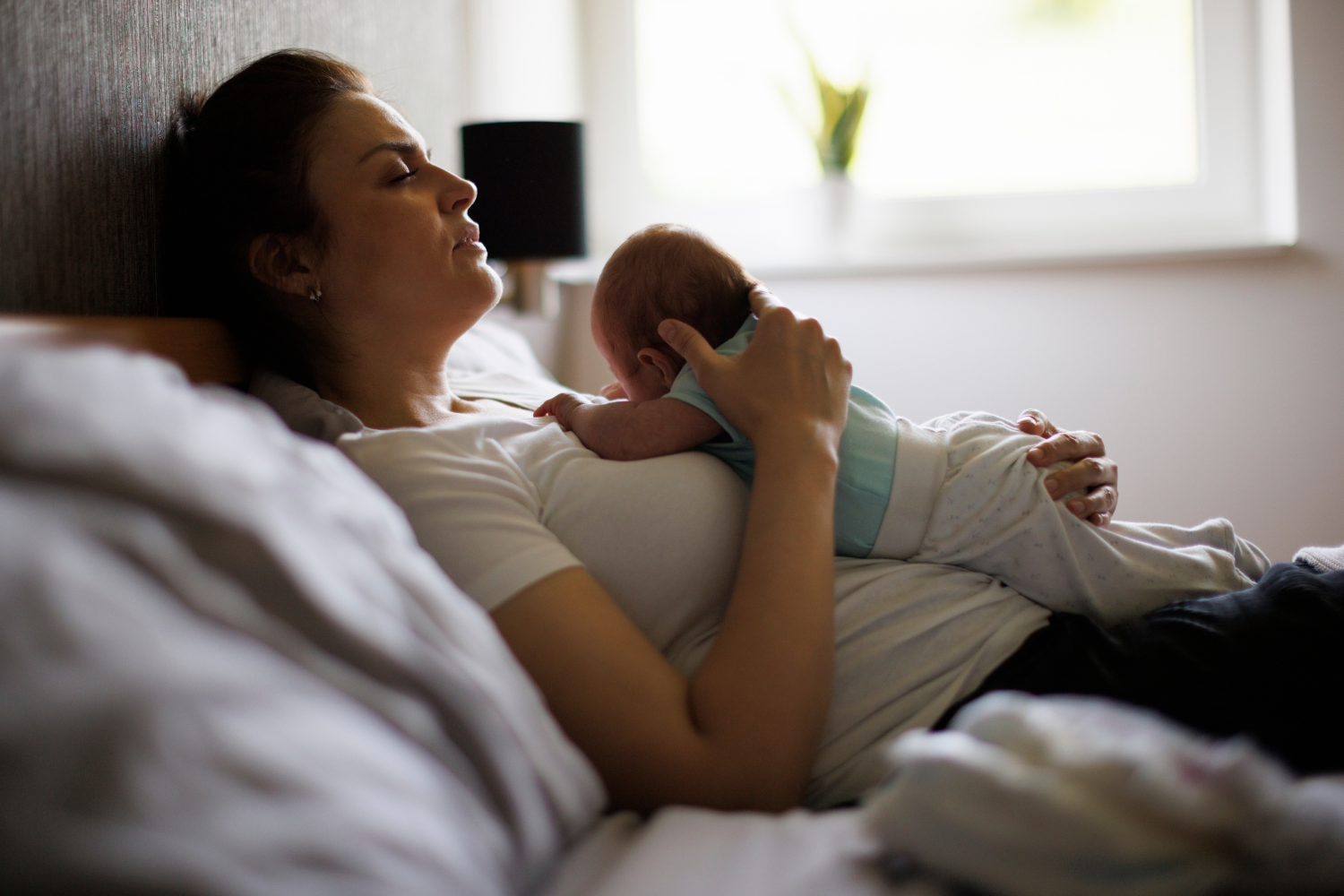
It's late afternoon. The baby has just fallen asleep on your chest — finally — and you're sitting very still because you know that if you move even slightly, this fragile peace might shatter. Your partner walks in and whispers the question you've been dreading all day:
"What should we do for dinner?"
And something inside you just… deflates.
Not because you don't care about food (or your partner). Not because you're not hungry — you are, actually, and you have been for hours. But the thought of answering that question, of making one more decision, of figuring out what to eat and how to make it happen — it's too much. You have nothing left to give to that question right now.
If this is where you are, I want you to hear something: this is not a failure. This is not you being dramatic or disorganised or falling short. This is what postpartum feels like. And it's okay.
The invisible weight of "what's for dinner?"
Here's something that doesn't get talked about enough in the early weeks after birth: the mental load of feeding yourself.
We tend to think of food in terms of cooking — the physical act of standing at a stove and making something. And yes, that's really hard when you're recovering from birth, running on broken sleep, and learning to care for a newborn. But the cooking is actually the last step in a long chain of invisible labour.
Before the cooking, there's the deciding. What should we eat? Do we have the ingredients? What sounds good? What do I even have the energy for? Then there's the planning. And possibly the shopping. And then the preparing, the cooking, the cleaning up — all while a tiny human needs you every forty-five minutes.
When your cognitive and physical energy is already stretched to its limit — when you're navigating feeding schedules, nappy changes, hormone shifts, and the sheer intensity of keeping a newborn alive — the question "what's for dinner?" can feel like one decision too many.
In January, I wrote about what the fourth trimester really is and why your body needs so much support during this time. In February, I shared a practical guide to the first seven days after birth — including the reassurance that the bar for day one is really low. Both of those posts were about what to eat and why it matters.
This post is about something different. It's about the weight of having to figure it all out — and what happens when you don't have to.
Letting go isn't giving up
I know this might feel hard to hear, especially if you're someone who usually has things handled. Who likes to be organised. Who takes pride in feeding her family well.
There is a voice — maybe it's cultural, maybe it's internal, maybe it's both — that tells new mothers they should be able to do it all. That a good mother cooks. That asking for help with something as basic as food means you're not doing a “good job”. That accepting support is a luxury for people who can't manage on their own.
I want to gently push back on that.
In almost every traditional postpartum culture around the world, feeding the new mother was never her responsibility. It was the community's job. In China, a mother's family prepares warming soups and congee for weeks after birth. In India, a new mother is fed ghee-rich, spiced meals by the women around her. In Korea, seaweed soup is made for her, every single day. In Latin America, warm broths and stews are brought to the mother as a matter of course — not as a favour, but as an expectation.
I wrote about some of these traditions in last month's post about how I design postpartum meals, and one thing struck me again as I revisited them: in none of these cultures is the mother expected to cook for herself. That would be unthinkable. The community gathers around her and says, “Sit down. Eat. We've got this.”
Somewhere along the way, many of us lost that. The village shrank. The support thinned out. And the mother was left holding everything — including the dinner plan.
So if you're feeling guilty about not cooking right now, I want to offer you a different way to see it. Letting someone else handle the food isn't giving up. It isn't a sign of weakness. It's one of the most nurturing things you can do for yourself in this season — because it frees up the one resource you have the least of: energy.
And that energy is better spent healing. Resting. Holding your baby. Being present for the moments that actually matter.
What it feels like when the food is just… there
Imagine it's 6pm. The baby has been cluster feeding all afternoon. You're tired in a way you didn't know was possible. And then your partner opens the freezer, pulls out a labelled container, and twenty minutes later hands you a warm bowl of soup.
You didn't plan it. You didn't shop for it. You didn't cook it. You didn't even have to think about it.
You just sat down, and it was there.
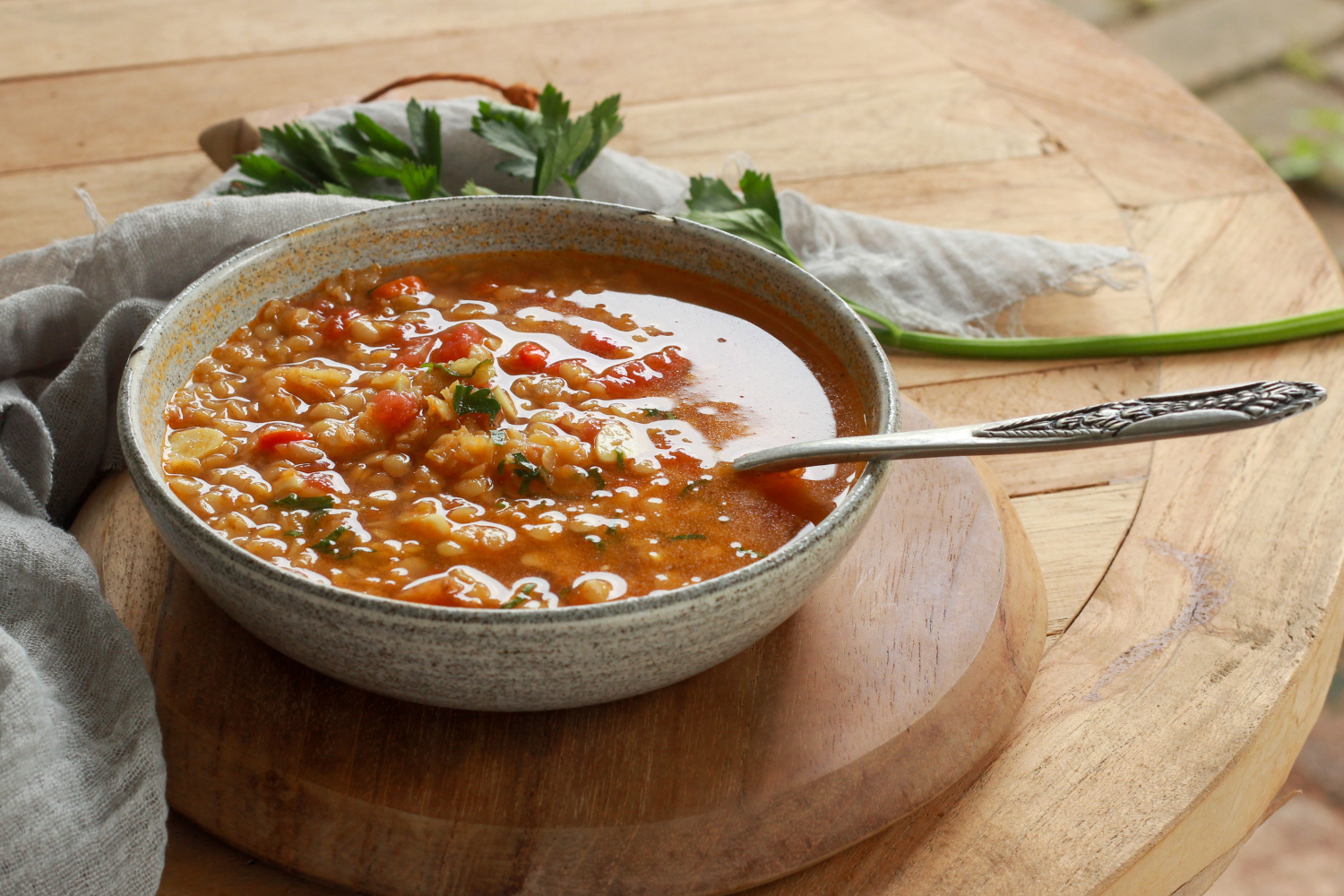
It's chicken noodle soup, or maybe a lentil stew, or a rich beef and root vegetable broth — something that smells like comfort and warmth and someone caring about you. You eat it slowly, probably one-handed, and you feel something shift. Not just in your body — though the warmth settles into you beautifully — but in your nervous system. A small, quiet exhale. One less thing to carry.
That feeling — of being fed without having to do anything to make it happen — is not a luxury. It's what postpartum is supposed to feel like. It's what generations of mothers, in cultures all around the world, have always received.
And you deserve it too.
What good food support actually looks like
Whether it comes from your partner, your mother, a friend, or someone else entirely — meaningful postpartum food support shares a few qualities.
It's warm. Because your body is healing and warm food is easier to digest, easier to absorb, and more comforting when everything feels a bit fragile.
It's nourishing. Not just filling — actually restorative. Rich in the protein, iron, and healthy fats your body is calling for. The kind of food that rebuilds rather than just gets you through.
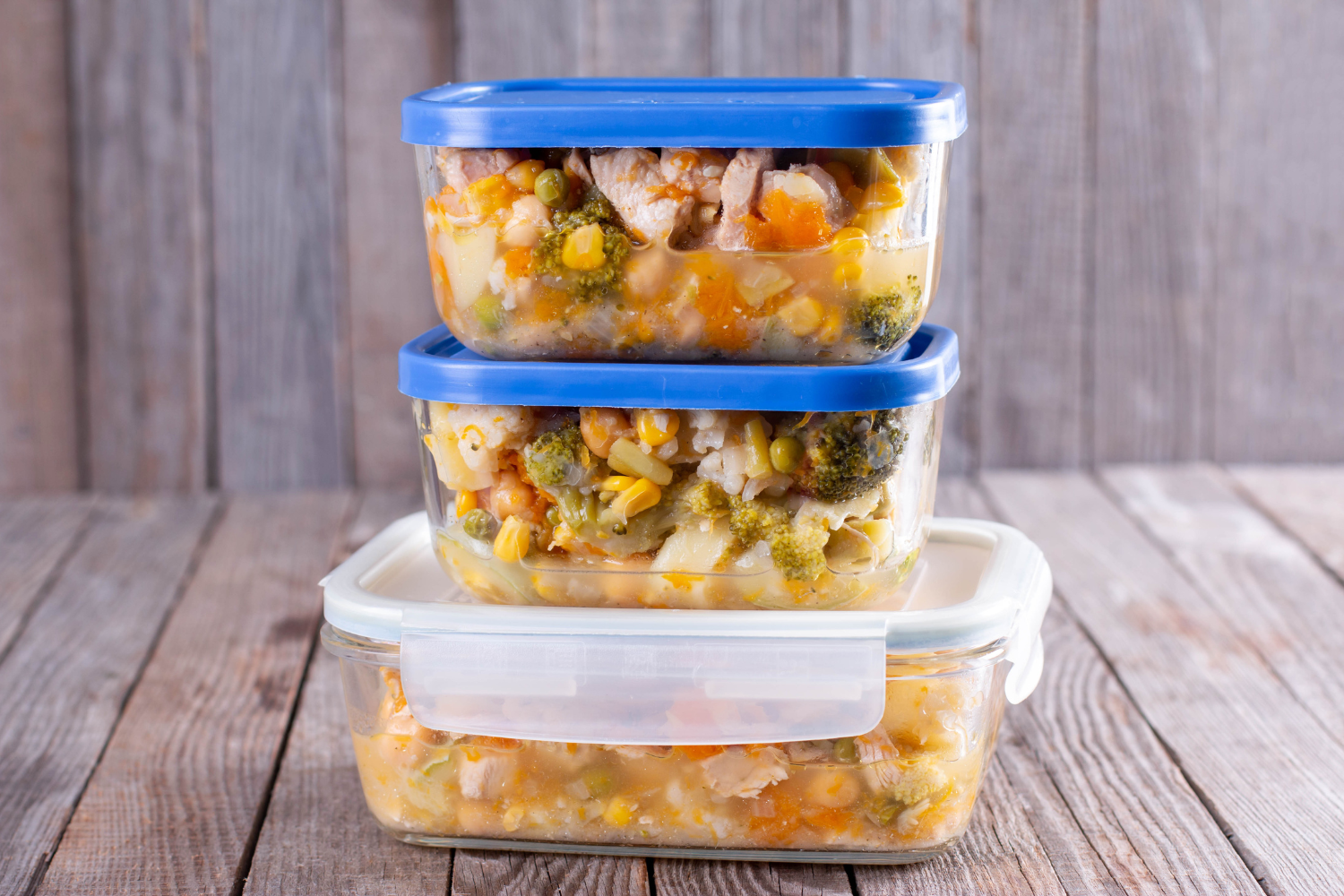
It's already done. No recipe to follow, no ingredients to buy, no forty-five-minute cook time. It's freezer-ready, clearly labelled, and easy enough that anyone in your household can reheat it without instructions.
And it's designed with you in mind. Not a generic meal plan. Not leftovers from someone else's dinner. Food that was made specifically for a body doing what yours is doing right now.
When food shows up like that — warm, nourishing, effortless — it does more than feed you. It tells you something you might need to hear: you are being taken care of.
You don't have to figure this out alone
If you're reading this while pregnant and thinking ahead, I've made something for you. My free Postpartum Meal Prep Guide is a 40-page guide with a full first-week-home meal plan, a complete shopping list, and recipes for nourishing meals, snacks, and drinks that you can make and freeze before baby arrives. Start around week 32, do a little at a time, and by the time your baby is here, your freezer is full and your only job is to rest and eat.
Download the free Postpartum Meal Prep Guide here →
And if you're already in it — if you're in the thick of those early weeks and the thought of prepping anything feels like a cruel joke right now — I'm here for that too.
I offer a Postpartum Meal Service for families in the Greater Lisbon area. Comforting, nutrient-dense, freezer-ready meals designed by a perinatal nutritionist and made with love. Everything I've described in this post — the warmth, the nourishment, the ease, the feeling of being held — that's what arrives at your door.
Sometimes the most powerful thing you can do for your recovery is let someone else take care of the food.
You don't have to cook right now. And that really is okay.
xx Fiona
