

What to Eat in the First 7 Days After Birth (And What Can Wait)
If you've just had a baby — or you're getting close — you've probably already been flooded with advice. What the baby should wear. How the baby should sleep. When the baby should feed. Everyone has an opinion.
But when it comes to your food? Silence.
And then, somewhere between the first night home and the third day of survival-mode snacking, a quiet thought creeps in: What should I actually be eating right now?
If that's where you are, take a breath. You're in the right place.
Last month, I wrote about why postpartum nutrition matters more than most people realise — the big picture of what your body is going through and why the food you eat during recovery makes such a difference. If you haven't read that post yet, it's a beautiful place to start.
But today, we're getting practical. This is your gentle guide to the first seven days — what to prioritise, what to keep simple, and what can honestly wait.
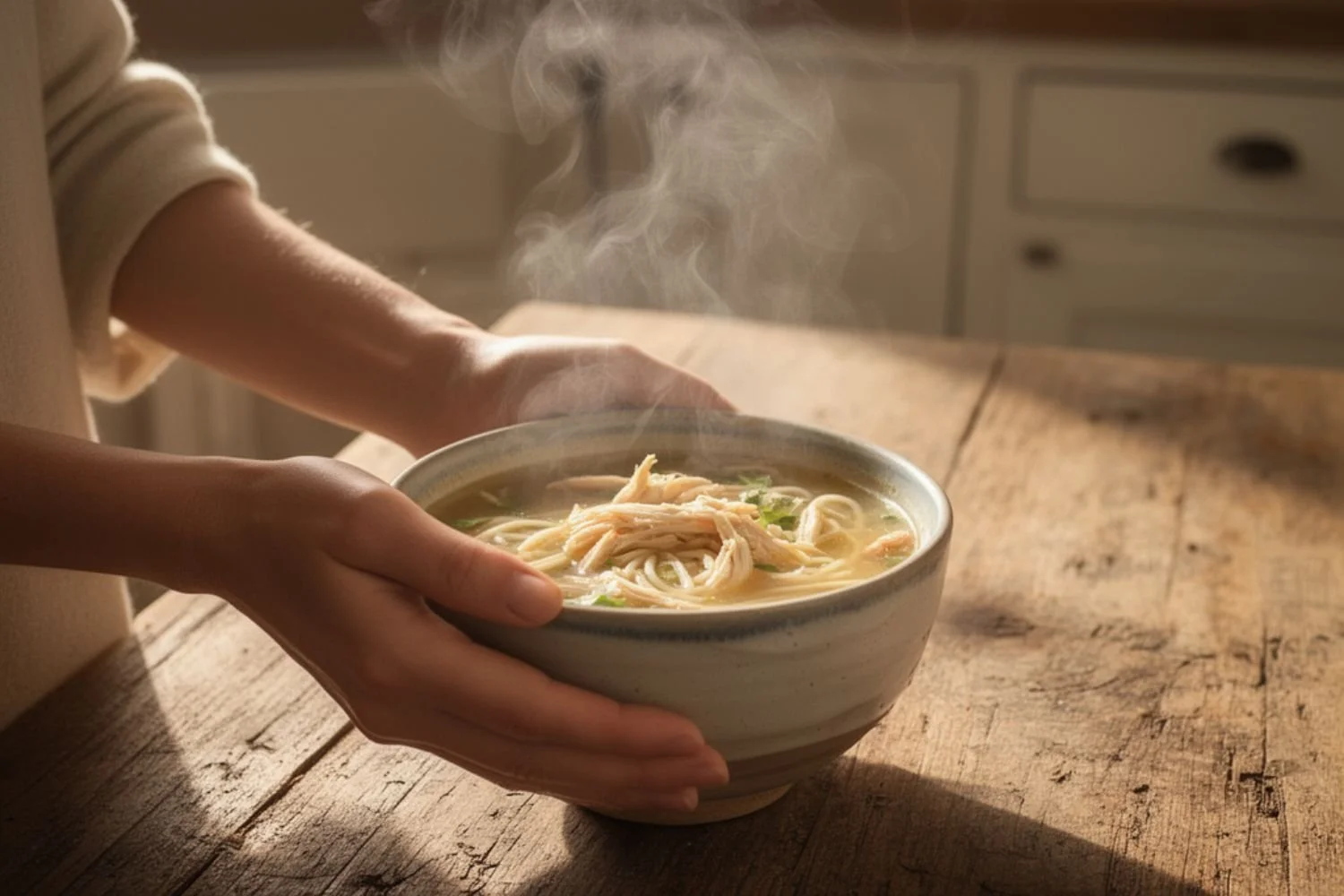
The first day home: just eat something warm
Here's the truth no one tells you: the bar for day one is low, and I mean that in the best way.
You don't need a balanced meal. You don't need to hit your nutrient targets. You need to eat something — ideally something warm, easy to digest, and already prepared.
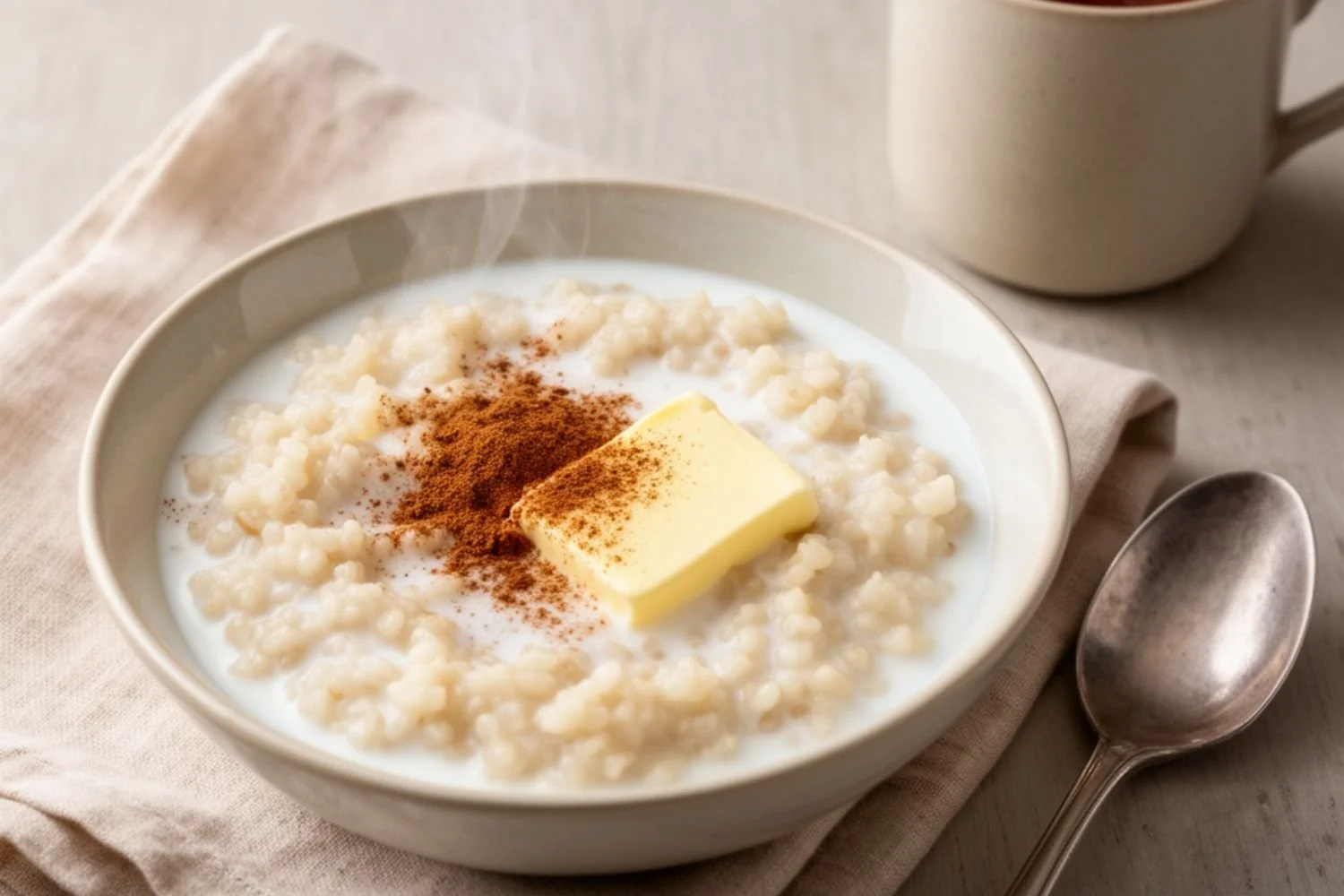
If someone hands you a bowl of soup, say yes. If there's bone broth in the fridge, heat it up. If the only thing you can manage is a bowl of oatmeal with butter and a sprinkle of cinnamon — that is more than enough.
Your body has just done something extraordinary. On day one, your only job is to rest and receive. Let the food come to you.
A warm drink matters just as much. A mug of broth, a cup of lactation tea, coconut water — anything that replaces what your body is losing through bleeding, sweating, and the early work of milk production. Sip often. It doesn't need to be complicated.
Days 2–3: the essentials
By the second and third day, your body is deep in the work of healing. Your uterus is contracting. Your hormones are shifting. If you're breastfeeding, your milk is beginning to come in — which takes a surprising amount of energy.
This is when three things matter most: protein, iron, and warmth.
Protein supports tissue repair and milk production. Think eggs, bone broth, chicken, lentils, or a simple frittata that someone can warm up for you. Iron helps restore the blood you lost during birth and protects against the deep fatigue that so many new mothers experience — sources like red meat, leafy greens, and stewed dried fruit are wonderful here. And warmth matters because your digestive system is recovering too. Cold, raw food asks your body to work harder than it needs to right now. Warm, well-cooked meals are gentler and easier to absorb.
If you prepped food before birth, this is when your freezer becomes your best friend. A container of chicken noodle soup, a portion of spiced lentil stew, a jar of congee — pull it out, reheat, eat. No decisions required.
If you didn't prep? That's okay too. A soft-boiled egg on toast with avocado is a perfect postpartum meal. A bowl of porridge with nut butter and banana is nourishing. Tinned lentil soup with a squeeze of lemon and a drizzle of olive oil counts. There is no wrong way to feed yourself right now, as long as you're eating.
Days 4–5: finding a gentle rhythm
Around the middle of the week, things may start to feel a little more settled — or they may not. Either way, this is a good time to lean into a loose rhythm rather than a strict plan.
Think of it this way: aim for three warm meals and two snacks a day. That's it. Not gourmet meals, not Instagram-worthy bowls. Just food that's there when you need it.
Breakfast might be savoury oats cooked with bone broth, or a slice of frittata reheated from the freezer. Lunch could be whatever's left over from last night. Dinner might be a one-pot stew or a lasagna that your partner warms up. Snacks could be energy bites, chia pudding, or stewed apple with a spoonful of yoghurt.
The rhythm doesn't need to be perfect. It just needs to exist. When meals are predictable — even loosely — your blood sugar stays more stable, your energy holds better, and you feel a little more grounded in days that can otherwise feel shapeless.
This is also the time to keep hydrating intentionally. A mineral-rich drink in the morning, broth with lunch, herbal tea in the afternoon, water beside your nursing spot. Small, steady sips throughout the day make a bigger difference than trying to drink a litre all at once.
Days 6–7: nourished, not perfect
By the end of the first week, you may notice something: the days where you ate well felt different from the days where you forgot to eat until 2pm.
That's not a coincidence. And it's not something to feel guilty about on the harder days. It's simply information — a gentle reminder that feeding yourself is one of the most powerful things you can do during this time.
As you move into week two and beyond, the same principles hold. Warm. Easy. Already there. You don't need to cook from scratch. You don't need variety for the sake of variety. If you eat the same nourishing soup three days in a row because it's comforting and it's easy, that's great. Repetition is your friend right now.
What matters is that you're fed. That the food is warm and nourishing. That it's there when you need it — without you having to think too hard about it.
What can wait
There will be time, later, for all the things that feel important right now but honestly aren't.
Elaborate recipes can wait. Meal planning for the whole family can wait. Worrying about whether you're eating "perfectly" can absolutely wait. Salads, raw juices, and trendy superfoods? They'll be there when you're ready. Right now, your body wants comfort, warmth, and ease.
Trying new foods your body isn't used to can also wait — the early postpartum days aren't the time to experiment. Stick with familiar, gentle meals that you know sit well with you.
And please hear me when I say this: getting your "pre-baby body" back can wait. That is not what this season is for. This season is for healing, bonding, resting, and being nourished. Everything else is noise.

You don't have to figure this out alone
If you're reading this and thinking I wish I had all of this mapped out for me — I've got you.
I created a free Postpartum Meal Prep Guide that does exactly that. It's a 40-page guide with a full first-week-home meal plan, a complete shopping list, and recipes for nourishing breakfasts, lunches, dinners, snacks, and hydrating drinks — all designed to be prepped ahead, frozen, and reheated with zero effort when baby arrives. It's made for real life, not perfection.
The idea is simple: starting around week 32 of pregnancy, you do two light prep sessions a week. A little at a time. No stress. And by the time baby comes, your freezer is full and your only job is to rest and eat.
Download the free Postpartum Meal Prep Guide here →
And if you're already postpartum and the thought of prepping anything feels impossible right now — that's okay too. I also offer a Postpartum Meal Service for families in the Greater Lisbon area. Comforting, nutrient-dense, freezer-ready meals made with love and delivered to your door. Sometimes the most nourishing thing you can do is let someone else take care of the food.
However you choose to nourish yourself in the first 7 days after birth — whether it's a freezer full of homemade meals, a delivery of ready-made food, or a bowl of porridge eaten one-handed at midnight — you're doing a wonderful job.
Nourish first. Rest often. You deserve it.
xx Fiona
